|
|
|
Message Board >
Solar Contractor Insights on Government Incentives
Solar Contractor Insights on Government Incentives
Page:
1
sehogi6860
606 posts
Jan 11, 2026
3:01 AM

|
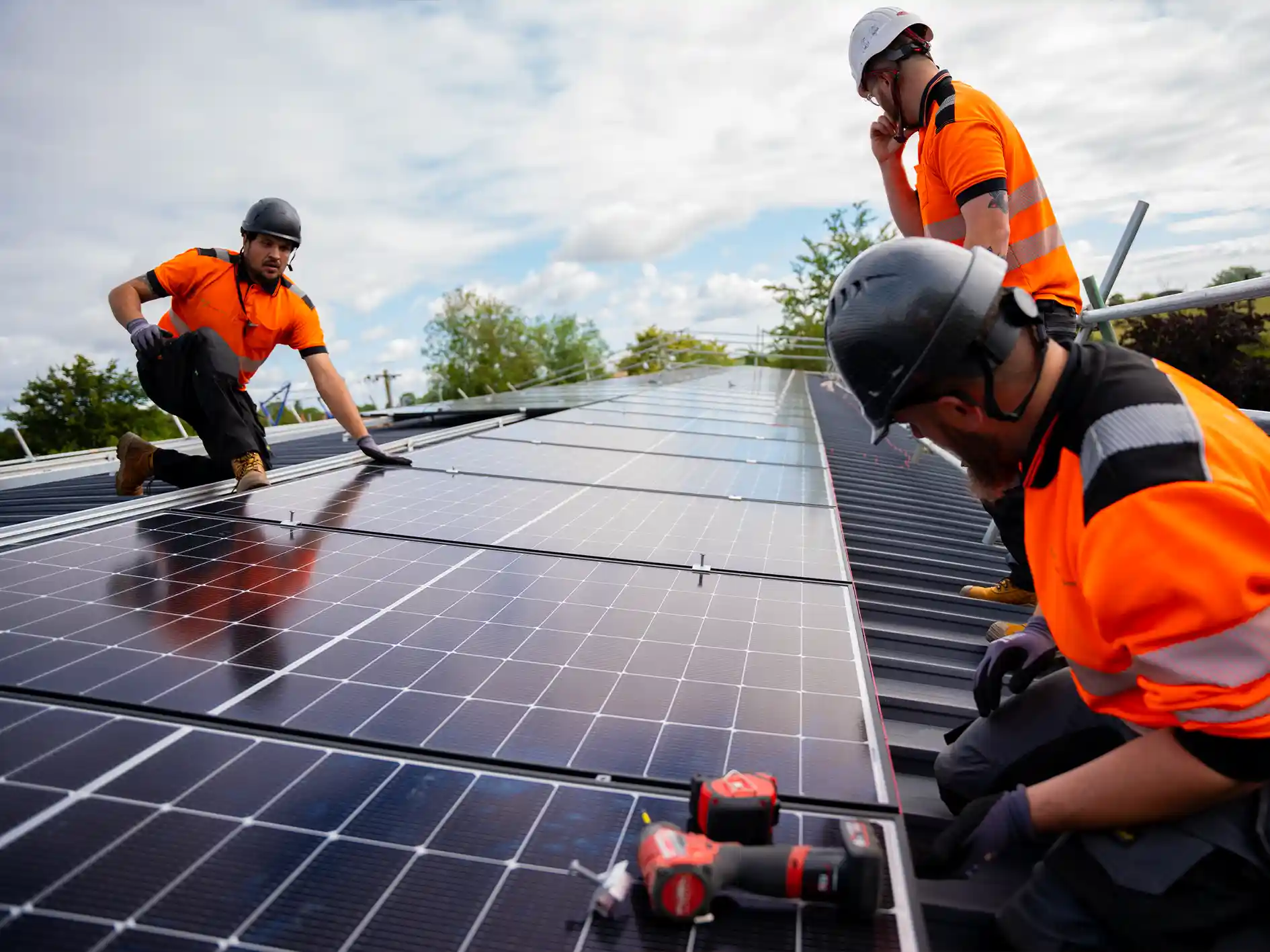
As the world shifts toward renewable energy, solar power has become one of the most practical and accessible solutions for homes and businesses alike. At the center of this transformation is the solar contractor—the professional responsible for designing, installing, and maintaining solar energy systems that convert sunlight into usable electricity.
What Is a Solar Contractor?
A solar contractor is a licensed professional or company that specializes in solar photovoltaic (PV) and, in some cases, solar thermal systems. Their work goes beyond simply placing panels on a roof. Solar contractors manage the entire project lifecycle, including site assessment, system design, permitting, installation, grid connection, and ongoing maintenance.
Key Responsibilities of a Solar Contractor
Site Evaluation and Energy Assessment
Solar contractors analyze a property’s roof structure, orientation, shading, and energy usage to determine whether solar is a viable option and how large the system should be.
System Design and Engineering
Based on the assessment, the contractor designs a customized solar system that maximizes energy production while meeting local building codes and utility requirements.
Permitting and Compliance
Navigating permits, inspections, and utility approvals can be complex. Solar contractors handle these regulatory processes to ensure the installation is safe and compliant.
Installation and Integration
This includes mounting panels, installing inverters, wiring electrical components, and integrating the system with the existing electrical infrastructure and the utility grid.
Maintenance and Support
Many solar contractors offer monitoring, maintenance, and repair services to ensure greypanelslong-term performance and reliability.
Why Choosing the Right Solar Contractor Matters
A solar energy system is a long-term investment, often expected to operate for 25 years or more. The quality of installation directly impacts system efficiency, safety, and lifespan. An experienced solar contractor helps avoid common issues such as poor panel placement, electrical faults, or underperforming systems.
Key factors to consider when selecting a solar contractor include:
Proper licensing and certifications
Proven experience and customer reviews
Clear warranties and service agreements
Transparent pricing and financing options
Benefits of Working with a Professional Solar Contractor
Maximized Energy Output: Proper design and installation ensure optimal system performance.
Cost Savings: Efficient systems reduce electricity bills and qualify for incentives and tax credits.
Peace of Mind: Professional contractors manage technical, legal, and safety aspects of the project.
Long-Term Reliability: Ongoing support helps protect your investment over time.
The Future of Solar Contracting
As solar technology advances and energy policies evolve, solar contractors are expanding their expertise to include battery storage, smart energy management systems, and electric vehicle charging integration. Their role is becoming increasingly important in building resilient, sustainable energy infrastructure.
Conclusion
Solar contractors are essential partners in the transition to clean energy. By combining technical expertise, regulatory knowledge, and practical experience, they make solar power accessible, efficient, and reliable. Whether for residential, commercial, or industrial projects, a qualified solar contractor is the key to unlocking the full potential of solar energy.
|
Post a Message
www.milliescentedrocks.com
(Millie Hughes) cmbullcm@comcast.net 302 331-9232
(Gee Jones) geejones03@gmail.com 706 233-3495
Click this link to see the type of shirts from Polo's, Dry Fit, T-Shirts and more.... http://www.companycasuals.com/msr

|
|