|
|
|
Message Board >
Bridging the Gap: How Technology is Revolutionizin
Bridging the Gap: How Technology is Revolutionizin
Page:
1
sehogi6860
579 posts
Dec 31, 2025
8:59 AM

|
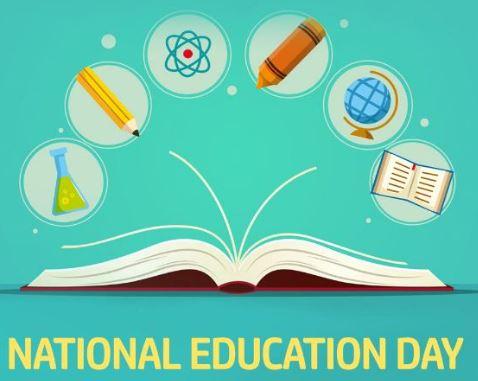
Education is often referred to as the key to unlocking opportunities and success. But its value goes far beyond mere academic achievement. Education is a powerful force that shapes individuals, communities, and societies. It equips people with the knowledge, skills, aools needed to navigate the world and contribute meaningfully to society. In this article, we will explore the importance of education and how it serves as a foundation for personal growth, social development, and economic prosperity.
1. Empowering Individuals
One of the primary functions of education is to empower individuals. It offers the chance to develop critical thinking, problem-solving skills, and creativity. A well-rounded education equips people with the ability to make informed decisions, understand complex issues, and approach challenges with a sense of confidence.
Education also enables individuals to pursue their passions and interests, which can lead to personal fulfillment and success. Whether through the arts, sciences, or entrepreneurship, education provides the tools to hone one’s abilities and achieve dreams. It encourages a lifelong learning mindset, ensuring that people are not only equipped to handle present challenges but are also prepared for future developments.
2. Promoting Equality and Social Mobility
Education is often seen as the great equalizer in society. It provides an opportunity for people, regardless of their socio-economic background, to improve their lives. By granting access to knowledge and resources, education can help bridge the gap between the rich and the poor, offering individuals a pathway out of poverty.
In many parts of the world, education is the means by which people can elevate their social status, gain better job opportunities, and ultimately achieve a higher quality of life. By fostering equality and social mobility, education helps create a more just and equitable society where everyone has the potential to succeed.
3. Contributing to Economic Growth
The link between education and economic prosperity is undeniable. A well-educated workforce is essential for driving innovation, productivity, and economic development. Countries with higher education levels tend to have more robust economies, as educated workers are better equipped to adapt to changing industries, adopt new technologies, and contribute to global competitiveness.
Moreover, the economic benefits of education are not limited to individuals alone. Educated populations tend to have lower unemployment rates, higher earning potential, and greater job satisfaction. By investing in education, governments and societies are not only improving the lives of individuals but also creating a stronger and more resilient economy.
4. Building a Knowledge-Based Society
In today’s rapidly evolving world, knowledge is power. Technological advancements, globalization, and the digital revolution have made it more important than ever to stay informed and adaptable. Education is the foundation of a knowledge-based society, where individuals and communities can harness the power of information to innovate, solve problems, and improve the quality of life.
In this digital age, it is no longer enough to simply have traditional skills. Digital literacy, critical thinking, and the ability to collaborate and communicate effectively are crucial skills that can only be developed through education. A knowledge-based society fosters creativity, encourages intellectual curiosity, and drives continuous improvement.
5. Fostering Social and Cultural Awareness
Education also plays a critical role in fostering social and cultural awareness. In an increasingly interconnected world, it is essential for individuals to understand and appreciate diverse perspectives. Education provides a platform for exploring different cultures, beliefs, and experiences, which helps promote empathy, tolerance, and respect for others.
Through education, individuals are exposed to a wide range of ideas, historical events, and global challenges. This knowledge enables them to become responsible citizens who are not only aware of their rights and responsibilities but also committed to contributing to the betterment of society.
6. Enhancing Health and Well-Being
Education is directly linked to improved health outcomes. Studies have shown that individuals with higher levels of education are more likely to make healmore helpthier lifestyle choices, seek medical care when needed, and live longer lives. Education empowers people to understand the importance of health, nutrition, and wellness, which leads to a better quality of life overall.
Moreover, educated individuals are more likely to have access to healthcare and other essential services. By promoting education, societies can reduce the burden of preventable diseases, lower healthcare costs, and improve the overall well-being of their populations.
Conclusion
Education is the cornerstone of progress, both for individuals and for societies as a whole. It empowers individuals, promotes equality, drives economic growth, fosters cultural understanding, and improves health outcomes. As the world continues to evolve, the importance of education will only continue to grow. Therefore, investing in quality education for all is one of the most powerful tools we have to build a brighter and more prosperous future for generations to come.
The future is built on the education we provide today—let’s ensure that every person has the opportunity to learn, grow, and succeed.
|
Post a Message
www.milliescentedrocks.com
(Millie Hughes) cmbullcm@comcast.net 302 331-9232
(Gee Jones) geejones03@gmail.com 706 233-3495
Click this link to see the type of shirts from Polo's, Dry Fit, T-Shirts and more.... http://www.companycasuals.com/msr

|
|
