Guest
Guest
Aug 28, 2024
10:37 AM

|
The Benefits of Non-Bluetooth Hearing Aids: Why Some Users Prefer Them
In today's technologically advanced world, hearing aids have evolved significantly. However, many individuals still opt for non-Bluetooth hearing aids. This article explores the benefits of these devices and why they may be the preferred choice for some users. 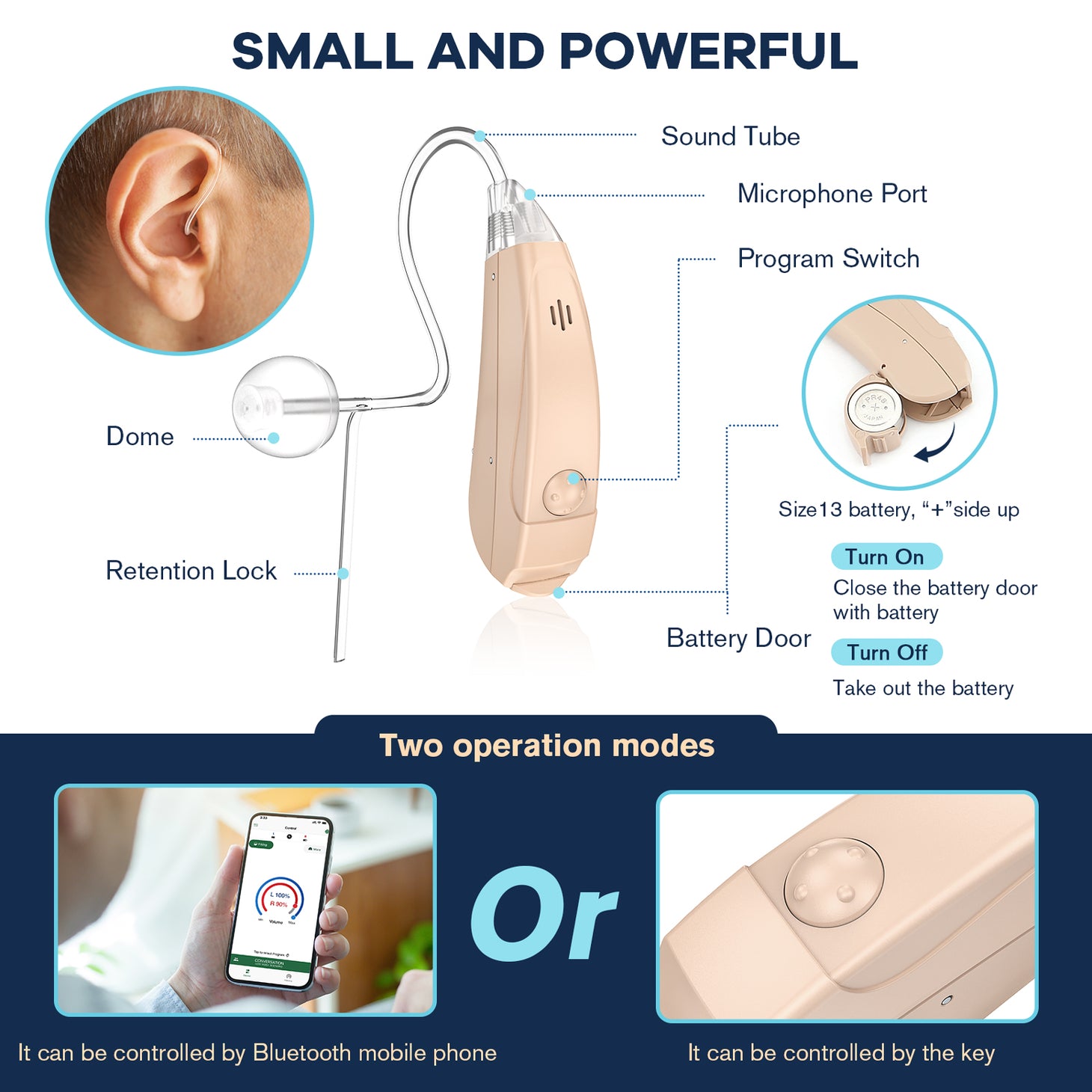
Understanding Non-Bluetooth Hearing Aids
Non-Bluetooth hearing aids are traditional hearing devices that do not connect to smartphones or other Bluetooth-enabled gadgets. While Bluetooth hearing aids offer convenience, non-Bluetooth options provide unique advantages that cater to specific user needs.
Advantages of Non-Bluetooth Hearing Aids
- Cost-Effectiveness: Generally, non-Bluetooth hearing aids are more affordable than their Bluetooth counterparts. This makes them an attractive option for those on a budget.
- Simplicity: For users who prefer straightforward technology, non-Bluetooth hearing aids are easier to operate. They typically come with fewer features, which can be less overwhelming.
- Battery Life: Non-Bluetooth devices often have longer battery life since they do not require the additional power needed for Bluetooth connectivity.
- Durability: These hearing aids tend to be more robust and less prone to technical issues that can arise from wireless technology.
Who Should Consider Non-Bluetooth Hearing Aids?
Many individuals may find non-Bluetooth hearing aids to be a suitable option. For instance, older adults who are not tech-savvy may prefer the simplicity of these devices. Additionally, individuals who experience frequent connectivity issues with Bluetooth devices might benefit from the reliability of non-Bluetooth options.
Potential Drawbacks
While there are numerous advantages, it is essential to consider the potential drawbacks of non-Bluetooth hearing aids. Users may miss out on features such as:
- Streaming audio directly from devices.
- Adjusting settings via smartphone apps.
- Remote control capabilities.
However, for many, these features may not outweigh the benefits of simplicity and cost-effectiveness.
Making the Right Choice
Choosing between Bluetooth and non-Bluetooth hearing aids ultimately depends on individual preferences and lifestyle. If you value ease of use and affordability, non-Bluetooth options may be the right fit. Conversely, if you desire advanced features and connectivity, Bluetooth hearing aids could be more suitable.
Conclusion
In conclusion, non-Bluetooth hearing aids offer a range of benefits that appeal to various users. Their simplicity, cost-effectiveness, and durability make them a viable choice for many individuals. As technology continues to advance, it is crucial to evaluate your personal needs and preferences when selecting a hearing aid. Whether you choose Bluetooth or non-Bluetooth options, the most important factor is finding a device that enhances your hearing experience.
|

